AI Rendering Software: What You Actually Need
The AI rendering category splits into two products wearing one name: image toys that redraw your building, and professional tools that render it. This page is the buying checklist we wish existed when we built one — and an honest account of where Archome AI fits.
The problem
Most "AI rendering" tools are diffusion image generators with architecture in the marketing. The tell is geometry: upload a facade, ask for a material change, and watch windows migrate. For professional work that is disqualifying, whatever the output quality.
The second trap is licensing: beautiful renders you cannot legally put in a client deck. Commercial rights and export resolution decide whether a tool is software or a demo.
The checklist that matters: (1) geometry fidelity under restyle, (2) drawing/plan comprehension, not just photo input, (3) CAD workflow entry points, (4) commercial licence, (5) deliverables beyond stills — plans, 3D, video, print resolution, (6) a free tier real enough to evaluate on an actual project.
What comes back
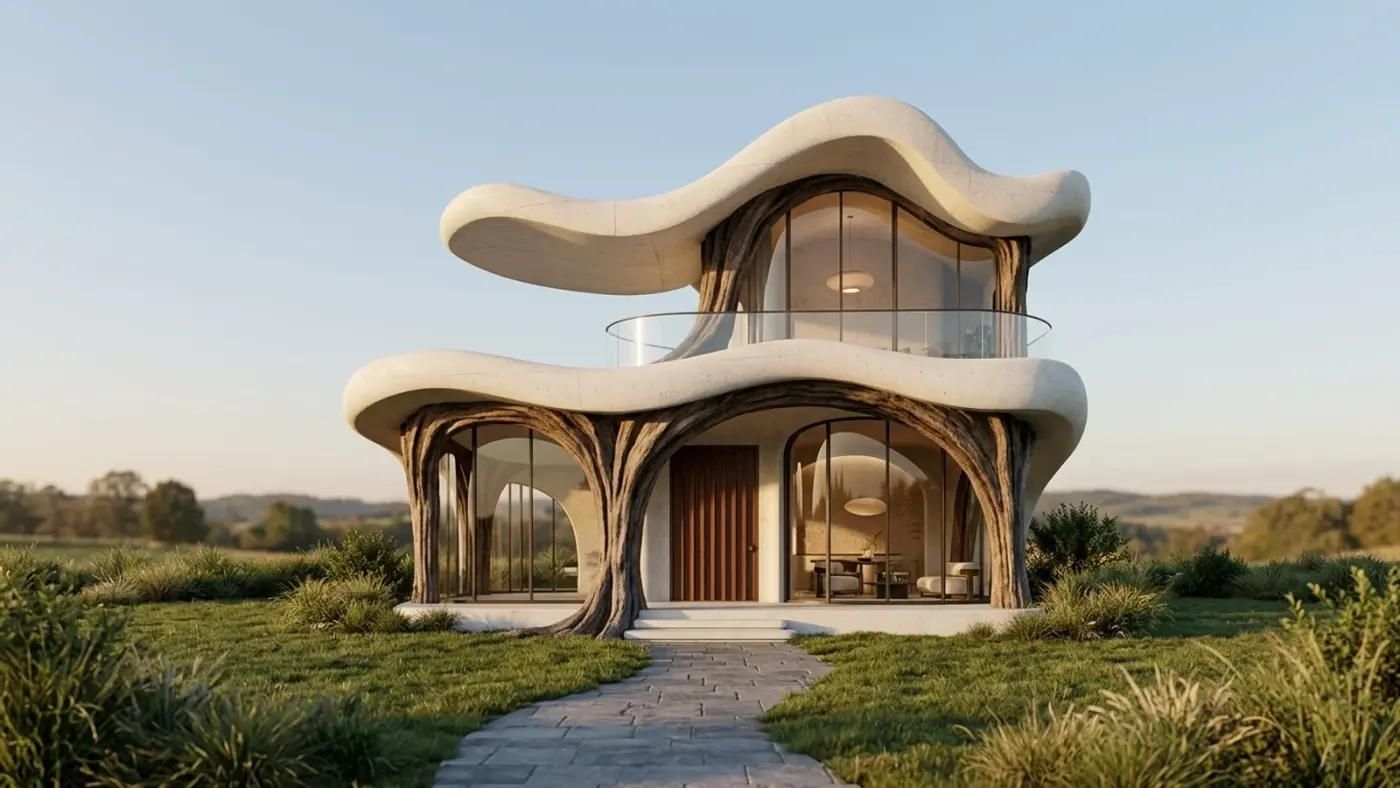
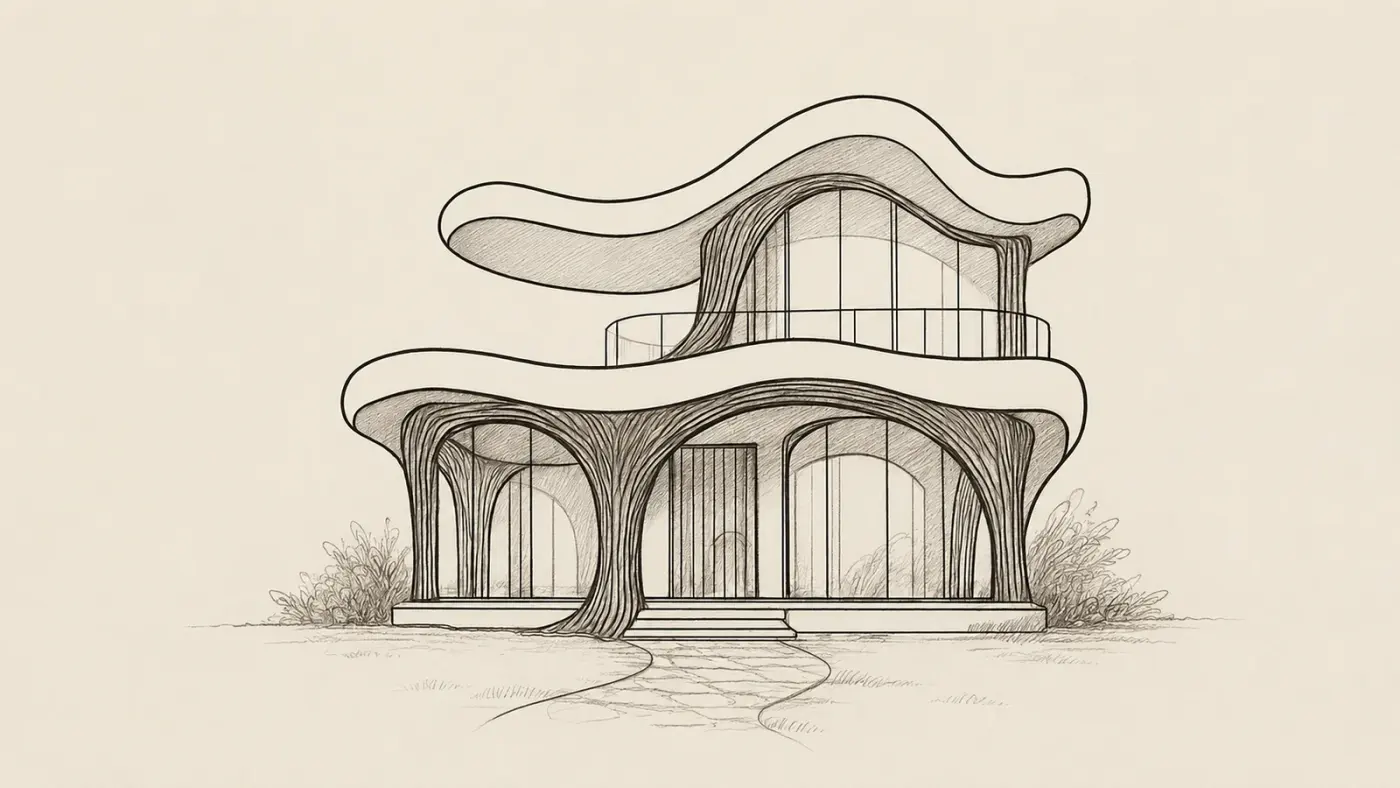
Sketch to render. Drag the handle to compare.
What it costs
| Quality | Credits per image | Cost on the $29 plan | Time |
|---|---|---|---|
| Fast | 10 | $0.29 | About 30 seconds |
| Ultra | 30 | $0.87 | Longer — heavier engine |
Prices exclude tax. A new account starts with 100 credits — three renders — with no card. Plans and credit packs.
How professionals use Archome
1. Test geometry first
Run one of your own projects through any candidate — same input, material-change request — and count what moved. Archome applies a structure lock on every image-to-image path: massing, openings and camera are fixed by design.
2. Test your real inputs
Photos are easy; sketches, floor plans and CAD viewports separate the tools. Archome reads all four, with free SketchUp and 3ds Max plugins feeding viewports directly.
3. Test the deliverable chain
One Archome account carries exterior/interior renders, sketch-to-render, masterplans, construction-detail sheets, 2D-to-3D GLB export, short clips and 4K upscaling — the chain a project actually needs.
What you get
- Structure lock on every image-to-image render
- Photo, sketch, floor plan and CAD viewport input
- Free SketchUp + 3ds Max plugins, REST API
- 14 tools in one account; commercial licence on paid plans
- Free evaluation: 100 credits to start, no card — test on a real project
Honest limits that apply to the whole category, ours included: models infer whatever the input hides, structural arithmetic ("add exactly two floors") is unreliable, and construction documentation stays in CAD. Any vendor claiming otherwise is marketing.
Start here
Compare us honestly
Choosing between tools? We keep honest side-by-sides — including when a competitor is the better fit: vs Veras, vs Gendo, vs D5 Render — or the full comparison index.
Questions professionals ask
What is the best AI rendering software for architects?
The honest answer is "the one that survives your own project test". Rank candidates by geometry fidelity, drawing comprehension, workflow entry points and licensing — then run the same input through your shortlist. Archome AI is built around exactly those four criteria and is free to test (100 credits to start, no card), which is the fastest way to see if it earns the slot.
How is this different from Midjourney or general AI image tools?
General image models generate; professional rendering tools edit under constraints. Archome treats your geometry as fixed and applies style only to materials, lighting and atmosphere — that constraint is the product.
What does professional AI rendering software cost?
Across the category, serious tools run roughly $20-120/month. Archome: free tier (100 credits to start), plans from $29, with Plus at $49 (~100 Ultra renders monthly) the plan most professionals choose. One-time credit packs from $15 suit project-shaped work.
Can I use the output commercially?
On Archome paid plans, yes — exports with a full commercial licence. Always check this line item on any tool; it is the most commonly missing feature in the category.
Test it on a real project.
100 credits when you sign up — three renders on the free tier. No card required.
Start free →