
Collov AI Alternative for Architects (2026)
6 min read
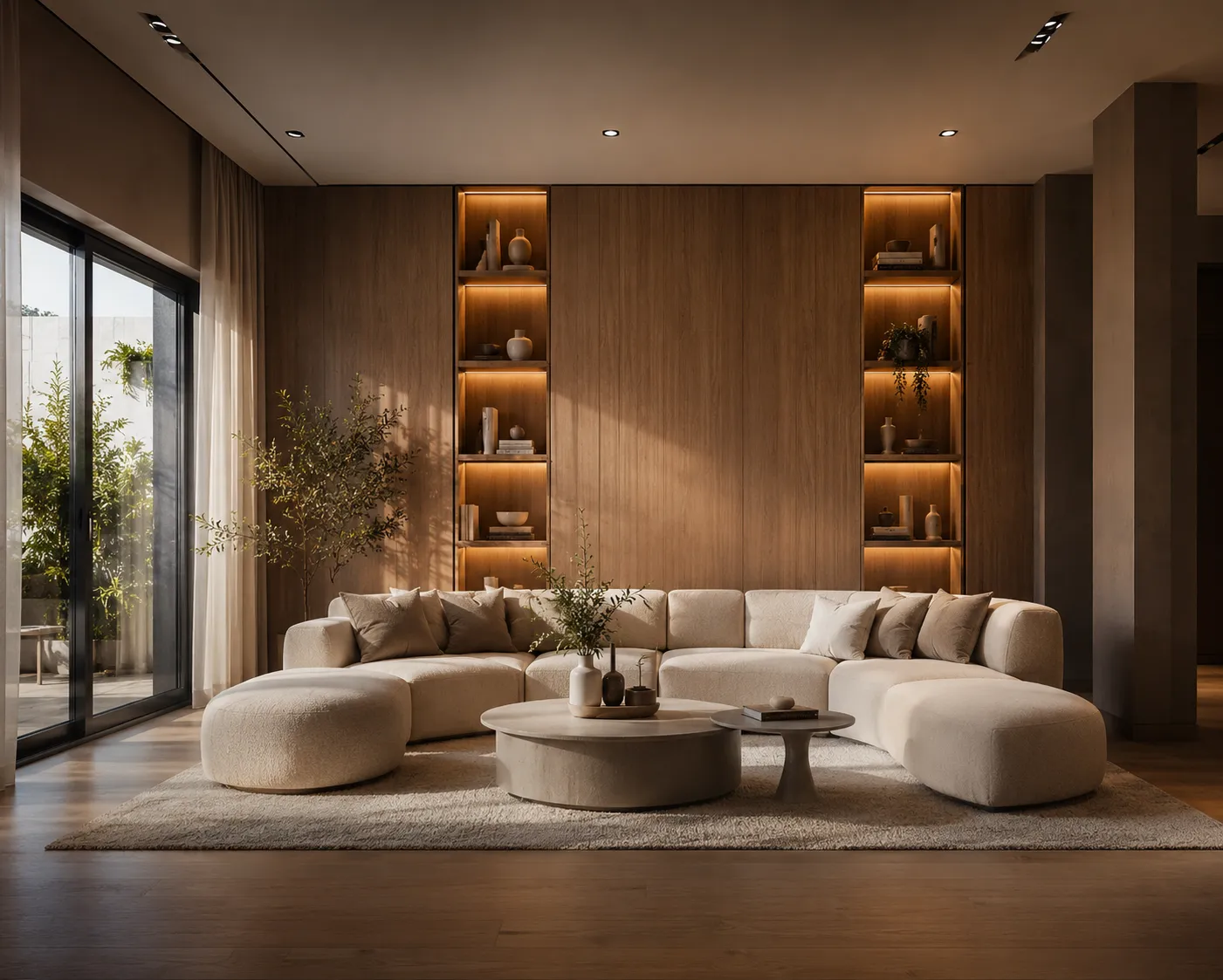
Collov AI has built a real following on one clean idea aimed squarely at homeowners: upload a photo of a room, pick a style, and get a restyled version back - often paired with shoppable furniture links so the look becomes a purchase. It is a genuinely good tool for that job. The searches for a Collov AI alternative tend to start once the deliverable stops being "a nicer-looking room" and starts being a drawing an architect or interior designer has to defend to a client - where geometry, materials and a full project workflow matter more than a mood shot.
What Collov AI gets right
- Fast, photo-based restyling. A real room photo in, a styled version out, with minimal setup and no design software.
- Shopping-oriented output. Product links tied to the generated look are genuinely useful for a homeowner deciding what to buy next.
- Low barrier to entry. No CAD skills, no material library to configure - upload, pick a style, generate.
Where practices look for more
Most "Collov AI alternative" searches come from a project that needs to sit next to a drawing set, not a shopping list:
- Geometry that matches the plan. A restyled photo can quietly shift window counts, ceiling height or proportions - fine for a mood shot, a problem next to a drawing a client will hold you to.
- Material specification, not just a look. A practice usually needs a material type and a reference a supplier can quote against, not only a furnished photo.
- Inputs beyond a finished room photo. Concept work starts from a sketch, a CAD viewport or a floor plan far more often than from a photo of an existing, furnished space.
- Exteriors, video and 3D. A restyled interior photo does not cover a facade, a walkthrough clip or an exportable model - all common asks in the same project.
None of that makes Collov AI the wrong tool for a homeowner exploring a look for one room - it just means the decision to look elsewhere usually comes from a deliverable outside that scope.
Honest comparison
| Collov AI | Archome | |
| Primary audience | Homeowners, retail | Architects, interior designers, developers |
| Geometry fidelity | Style-led | Preserved - matches the drawing |
| Material specification | Product-led (shopping links) | Materia returns material types with RAL/Pantone references |
| Design-phase inputs | Photos of existing rooms | Photos, sketches, CAD exports, floor plans |
| Exteriors, video, 3D | Not typical for the category | Included - 14 tools in one account |
| CAD plugins | Not typical for the category | Free SketchUp & 3ds Max plugins |
Who should pick which
If the whole job is trying out a look for one furnished room and shopping the result, Collov AI's consumer-focused workflow is a reasonable fit - there is no need for a practice-grade toolset to solve a one-room, one-photo problem. If the work has to sit next to a floor plan, needs material references a supplier can act on, or spans exteriors, sketches, video and 3D in the same project, that is a different job entirely. Interior AI keeps a similar one-photo-in workflow while preserving the room's actual geometry, and Materia turns a render into material types and colour references instead of shopping links.
A five-minute test
Take a room you have restyled in Collov AI and run the same photo through Interior AI with an identical style brief. Compare the two against the actual room at full size - window count, ceiling line, proportions - not on a thumbnail. Then check whether the same account also covers the next deliverable on the project list, whether that is a facade, a floor plan or a material callout for a supplier. The full breakdown of the two tools, including audience and pricing differences, is in the Collov AI comparison page.
Verdict
Collov AI is a solid, focused tool for homeowners restyling a room and shopping the result - it was never built to sit next to a drawing set. The moment geometry accuracy, material specs, or a wider project scope matter, an architecture-grade toolset earns its keep. Upload a room photo and try it free - first renders don't require a card.