
AI Scandinavian Interior Design Guide
5 min read
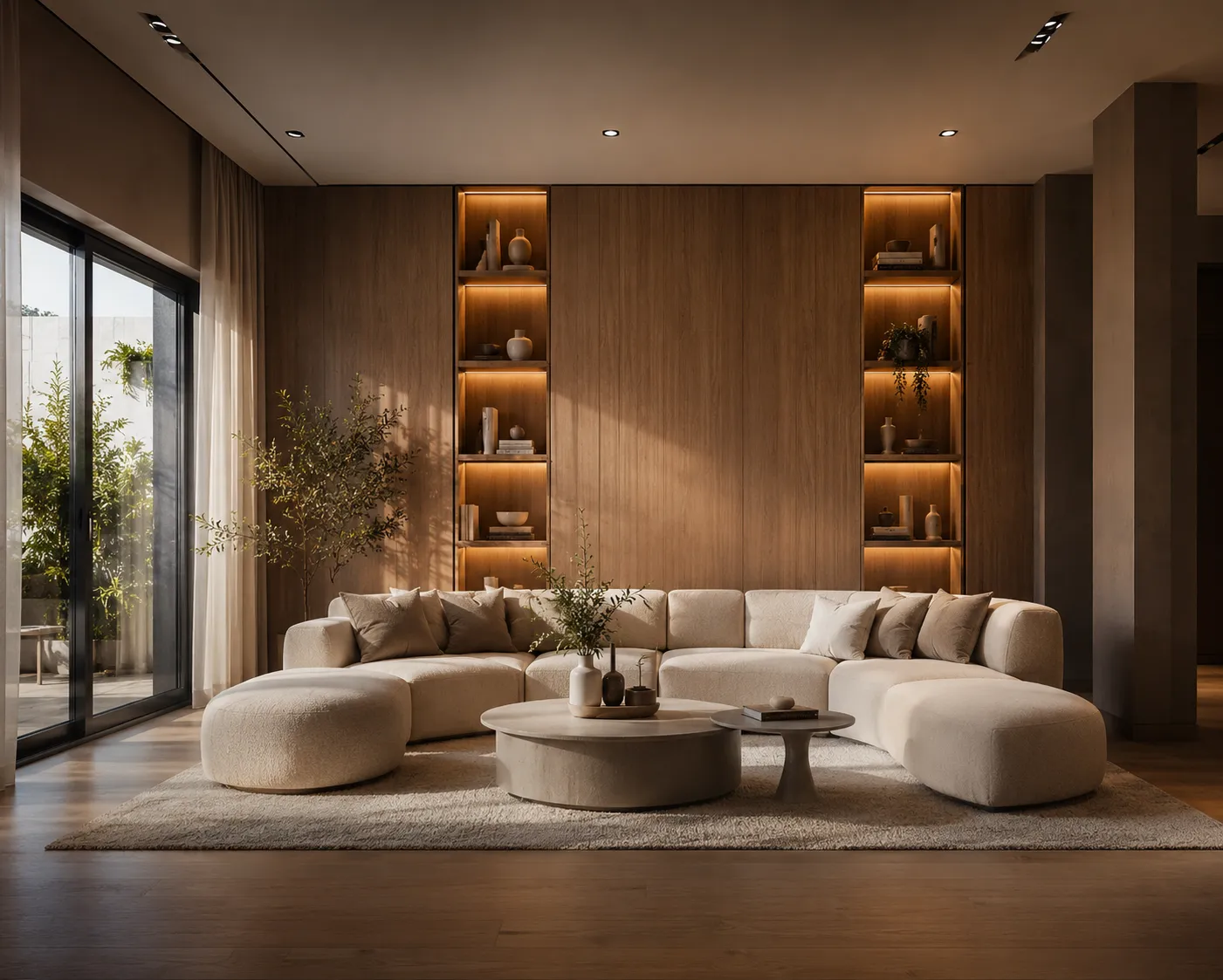
Scandinavian interiors photograph better than almost any other style, which is exactly why they're the hardest to picture correctly in your own space. Pale oak floors, white walls and a handful of well-chosen pieces look effortless in a magazine spread, but effortless is deceptive — get the proportions or the warmth wrong and a Scandinavian room reads as cold and empty instead of calm. AI removes the guesswork: upload a photo of your actual room and see it redesigned in the style properly, with your real walls, windows and layout intact.
What makes a room read as Scandinavian
The style rests on a short list of consistent choices rather than clutter or ornament. Light woods — oak, birch, ash — dominate floors and furniture. Walls stay white or a soft off-white to bounce natural light around, which matters more in a style built around short northern winters than in most others. Color arrives in small, deliberate doses: a mustard cushion, a sage-green chair, black metal fixtures for contrast. Texture does the work that color would in a busier style — wool throws, linen curtains, a sheepskin on a wood chair — and every piece of furniture earns its place; nothing sits in a Scandinavian room "just because."
How the AI keeps your real room
The model reads the geometry already in your photo — wall lines, window and door positions, ceiling height — and holds that fixed while it replaces materials, furniture, colors and lighting. Because the actual proportions of your space don't change, you're judging whether pale oak flooring and a linen sofa genuinely work in your room, not in a generic showroom shot that happens to share the style.
From photo to a redesign you trust
- Upload a clear, well-lit photo of the room, shot from a corner so most of the space is visible.
- Describe the direction: "Scandinavian style, white oak floors, white walls, linen sofa, black metal floor lamp, natural daylight".
- Generate a batch of alternatives — small shifts in wording change the wood tone, the accent color and the furniture mix noticeably.
- Found a version that works? Upscale it to check the material detail before you shop.
Prompt details that separate real Scandinavian from generic "minimalist"
The two styles get confused constantly, but they're not the same thing. Minimalist can be stark and cool; Scandinavian is meant to feel warm despite the pale palette. Name the warmth explicitly: "light oak, wool rug, warm white walls, soft afternoon light" pulls the AI toward the cozy version. Naming a specific accent — "black metal pendant light", "rattan accent chair", "sage green cabinet door" — also helps, since a bare prompt tends to default to an all-white result that misses the texture and small color moments that make the style work.
Common mistakes
The most frequent one is over-whitening the prompt — asking for "all white, very minimal" produces a sterile room instead of a warm one, because it strips out the wood tones and textiles that carry the style. The second is skipping texture words entirely; without "wool", "linen" or "sheepskin" in the prompt, surfaces default to smooth and flat, which reads as cold rather than calm. The third is treating one generation as final — run a handful of variations and compare, since wood tone and accent color shift meaningfully between outputs even from a similar prompt.
Where this fits with the rest of the room
Scandinavian works particularly well in compact spaces, since the light palette and low-profile furniture make a small footprint feel larger — see the small apartment design guide for that angle specifically. It's also one of the most requested presets for main living spaces; the AI living room design guide covers layout options alongside style. Once you've settled on a wood tone and palette, Material Swap lets you test it against alternatives — walnut, painted white, a darker oak — without touching anything else in the render.
Ready to see your own room in Scandinavian style? Open Interior AI and upload a photo — your first renders are free.