
AI Wedding Venue Design: Photo to Concept
· 6 min read
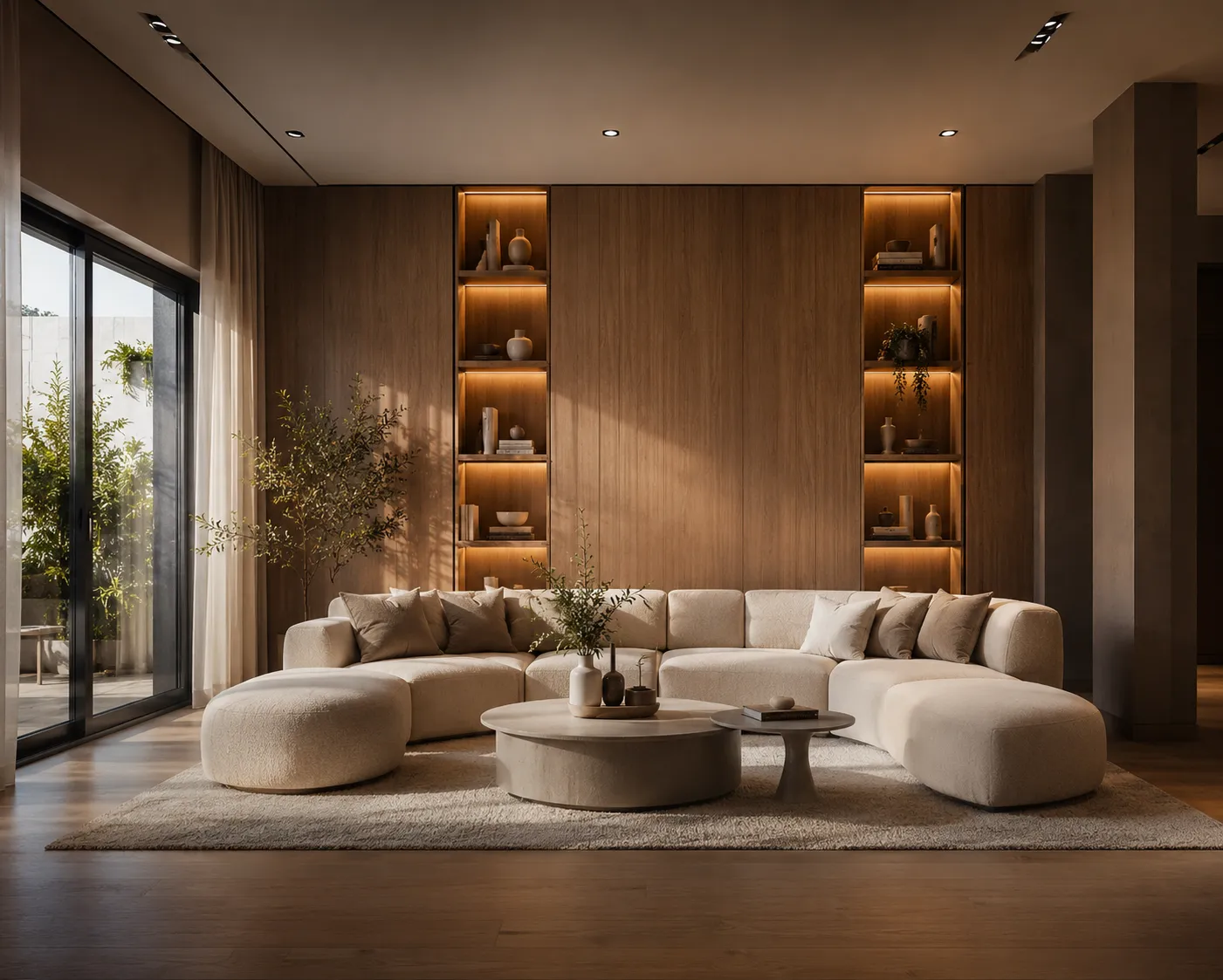
A wedding venue sells one thing above everything else: whether a couple can picture their day in the room. A bare banquet hall with stacked chairs and exposed AV cable does not sell that, no matter how good the acoustics or the catering kitchen behind it. Venues have historically closed that gap with a stock photo from someone else's real wedding, a mood board, or a rental fee for a one-day styled shoot — none of which show the couple their room, styled for their date. AI closes it from a single phone photo: shoot the empty hall as it sits today and get it rebuilt in a full wedding-ready concept — florals, drapery, table settings, lighting — in about 30 seconds, with the actual room intact.
How it works
The model reads the real geometry in your photo — where the walls, columns, windows and ceiling beams sit, the shape and scale of the room — and holds that fixed while it changes everything applied on top: table and chair styling, linens, floral installations, drapery, uplighting, and the overall color palette. The output reads as a photo of the actual venue dressed for a wedding, not a stock ballroom image with your logo pasted over it.
Who uses it
- Venue owners and event managers building a gallery of styled looks — rustic, modern, garden, black-tie — from the same empty room, without booking a styled shoot for each one.
- Wedding planners and florists pitching a couple on a specific palette or floral concept using a photo of their actual booked room, rather than inspiration photos from a different venue.
- Couples touring multiple venues asking "what would this room look like on our date, in our colors" before signing a contract.
- Hotel and event-space sales teams reusing one interior photo of a ballroom or terrace across dozens of inquiries, the same way a vacant floor gets shown as a fitted-out office or a retail concept before a single wall goes up.
Prompts that work for wedding venues
- Garden romantic: "round tables, blush and ivory linens, cascading white and greenery centerpieces, fairy-light canopy overhead, soft pink uplighting"
- Modern black-tie: "long banquet tables, black linens, gold flatware, tall monochrome floral arrangements, dramatic amber uplighting, candlelight"
- Rustic barn: "wooden farm tables, burlap and lace runners, wildflower centerpieces in mason jars, string lights strung across the beams"
- Minimalist coastal: "white linens, pampas grass and eucalyptus centerpieces, rattan chairs, warm natural light, sheer drapery"
From empty hall to styled concept
- Photograph the room straight-on with the lights on and the space empty or set with bare tables — whole room in frame.
- Upload it to Interior AI and describe the styling: linens, centerpieces, lighting, drapery and palette.
- Generate a few directions rather than one — small wording changes shift the whole mood, from garden-soft to black-tie.
- Send the couple's favorite as a starting reference for the florist, planner and lighting vendor, or keep a set on file to reuse across every inquiry for that room.
Why one bare-room photo beats a stock gallery
Couples booking a venue are trying to answer one question — will this room feel like our wedding — and a stock photo of a different couple's styled event never fully answers it, because the chairs, the light fixtures and the room's proportions aren't theirs. A concept generated from the venue's actual booked room, in the couple's actual colors, closes that gap in a way no amount of inspiration-board scrolling can. Naming the season and time of day in the prompt — a June garden ceremony reads differently than a December evening reception — gets a far more useful set of concepts than one generic "wedding decor" pass.
The commercial case
A venue with one ballroom and one terrace can, from two or three photos, build a styled gallery that covers most of the palettes couples ask for — without paying a florist and photographer for a full styled shoot each time trends shift. Wedding planners get a faster sales tool: pitch a specific floral direction against the couple's actual booked room in the first meeting, instead of a mood board of someone else's wedding. Hotels running the same ballroom for weddings, galas and corporate events can generate a distinct look for each without re-decorating between shoots — the same photo-restyle approach that works for a hotel lobby or a restaurant dining room carries over directly to the event space down the hall.
One honest limit
The AI settles the look — styling, florals, lighting and color in the photo — not room capacity, fire-code seating limits, load-in logistics or what a florist can actually build within budget. Use it to align the couple, planner and venue on a direction fast, then hand that direction to the florist and lighting vendor to confirm what's buildable on the day.
Ready to see your own venue styled? Upload a photo to Interior AI — your first renders are free.