
AI Bohemian Interior Design Guide
· 5 min read
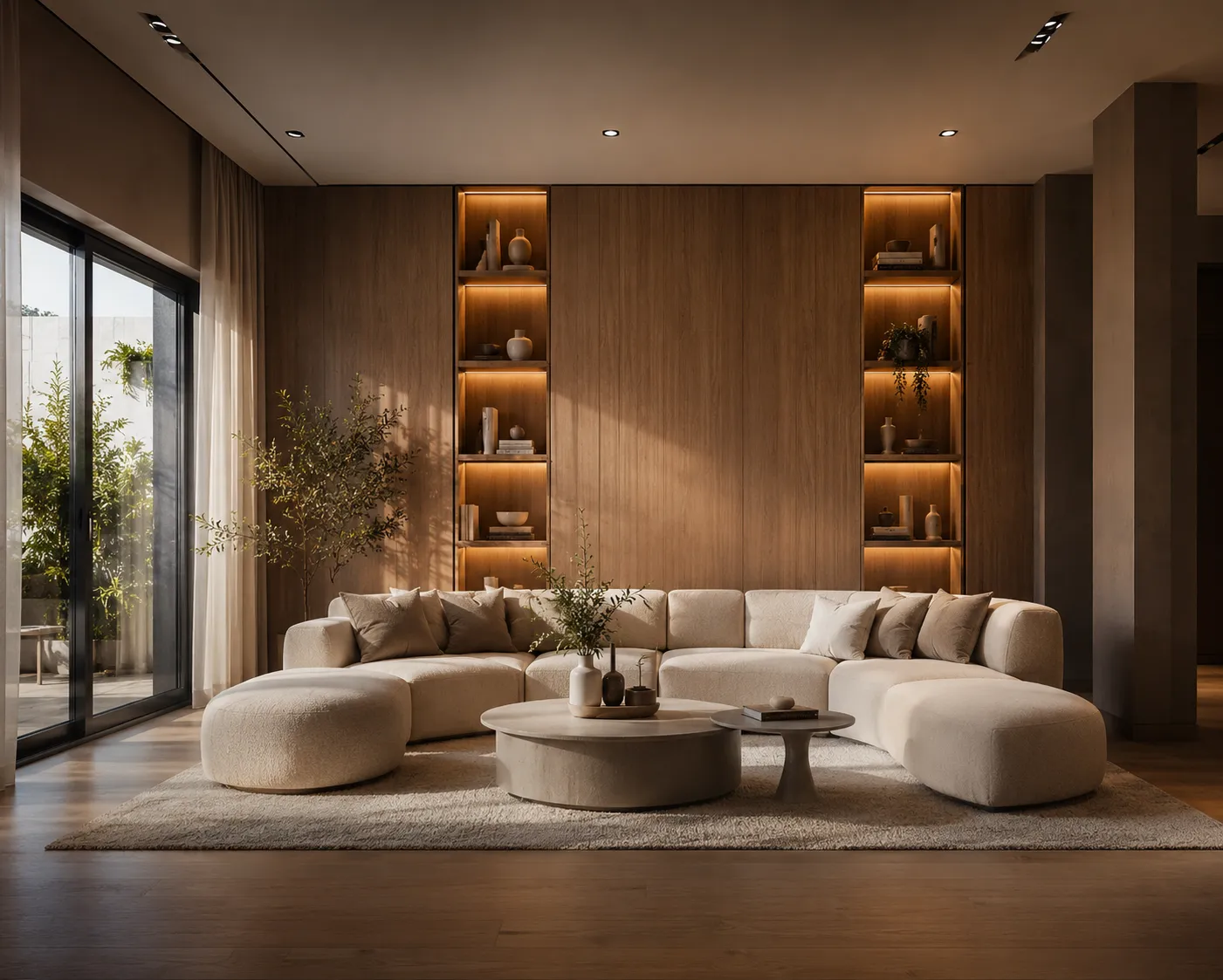
Bohemian is the style most likely to go wrong on the first attempt, because "boho" gets used as shorthand for "add more stuff" — a macrame hanging, a rattan chair, a few plants, call it done. Real bohemian interiors are layered on purpose: pattern, texture and color build against each other in a way that reads as collected over years, not staged in an afternoon. AI closes the gap between the Pinterest version and your actual room — upload a photo of the space as it is and see it redesigned in bohemian style with your real walls, windows and layout untouched.
What makes a room read as bohemian
The style rests on layering rather than restraint. Textiles carry most of the weight — a patterned rug, often two overlapped, kilim or ikat cushions, a woven wall hanging, curtains in a warm natural fabric. Natural materials show up everywhere: rattan and cane furniture, jute, reclaimed wood, terracotta. Color leans warm and earthy — rust, ochre, deep green — rather than the pale neutrals of Scandinavian or minimalist rooms. Plants are part of the structure, not an accent: a few large ones, trailing vines, different heights. And nothing matches on purpose — vintage and new sit together, brass next to wood next to woven fiber.
How the AI keeps your real room
The model reads the fixed geometry already in your photo — wall lines, window and door positions, ceiling height — and holds that in place while it replaces materials, furniture, textiles and lighting on top. Because your room's real proportions and light don't change, you're judging whether a layered rug, a rattan chair and warm wall color genuinely work in your space, not in a generic styled shoot.
From photo to a redesign you trust
- Upload a clear, well-lit photo of the room, shot from a corner so most of the space is visible.
- Describe the direction: "bohemian style, layered patterned rugs, rattan armchair, terracotta and rust tones, macrame wall hanging, trailing plants, warm afternoon light".
- Generate a batch of alternatives — small wording changes shift the palette and how heavily layered the result reads.
- Found a version that works? Upscale it to check pattern and texture detail before you shop.
Prompt details that separate real boho from generic clutter
A bare "bohemian style" prompt tends to produce something busy but flat, since it has no materials or colors to anchor on. Naming textiles explicitly helps — "woven kilim rug, macrame hanging, linen curtains, vintage brass lamp" — and so does naming a palette, such as "rust, ochre and deep green"; without one, results can drift toward a random mix that reads as messy rather than warm.
Common mistakes
Asking for "lots of plants and patterns" without naming any of them produces visual noise rather than deliberate layering — name the pieces instead. Skipping the color anchor is the second frequent miss; results then swing cold instead of earthy. And treating one generation as final leaves value on the table — run a few variations, since pattern mix and plant density shift noticeably between outputs.
Where this fits with the rest of the room
Bohemian works especially well in living rooms and bedrooms — see the AI living room design guide and the AI bedroom design guide for layout options alongside style. It sits near the opposite end of the spectrum from the pale, restrained look in the Scandinavian interior guide — worth comparing both on the same photo if you're still deciding a direction. Once you've settled on a wood tone or wall color, Material Swap lets you test alternatives without touching anything else in the render.
Frequently asked
Does it keep my actual room? Yes — the walls, windows and layout stay exactly as photographed. Only the furniture, textiles, color and lighting change.
Will it work in a small room? Yes, though saying so in the prompt — "bohemian style, small room, keep it uncluttered" — steers toward a lighter layered look. The small apartment design guide covers making one room work harder generally.
Can I mix bohemian with another style? Yes — naming both, such as "bohemian meets mid-century, walnut furniture with layered textiles," produces a blended result worth comparing against a pure version of either.
Ready to see your own room in bohemian style? Open Interior AI and upload a photo — your first renders are free.