
What to Charge for Virtual Staging
· Updated · 6 min read
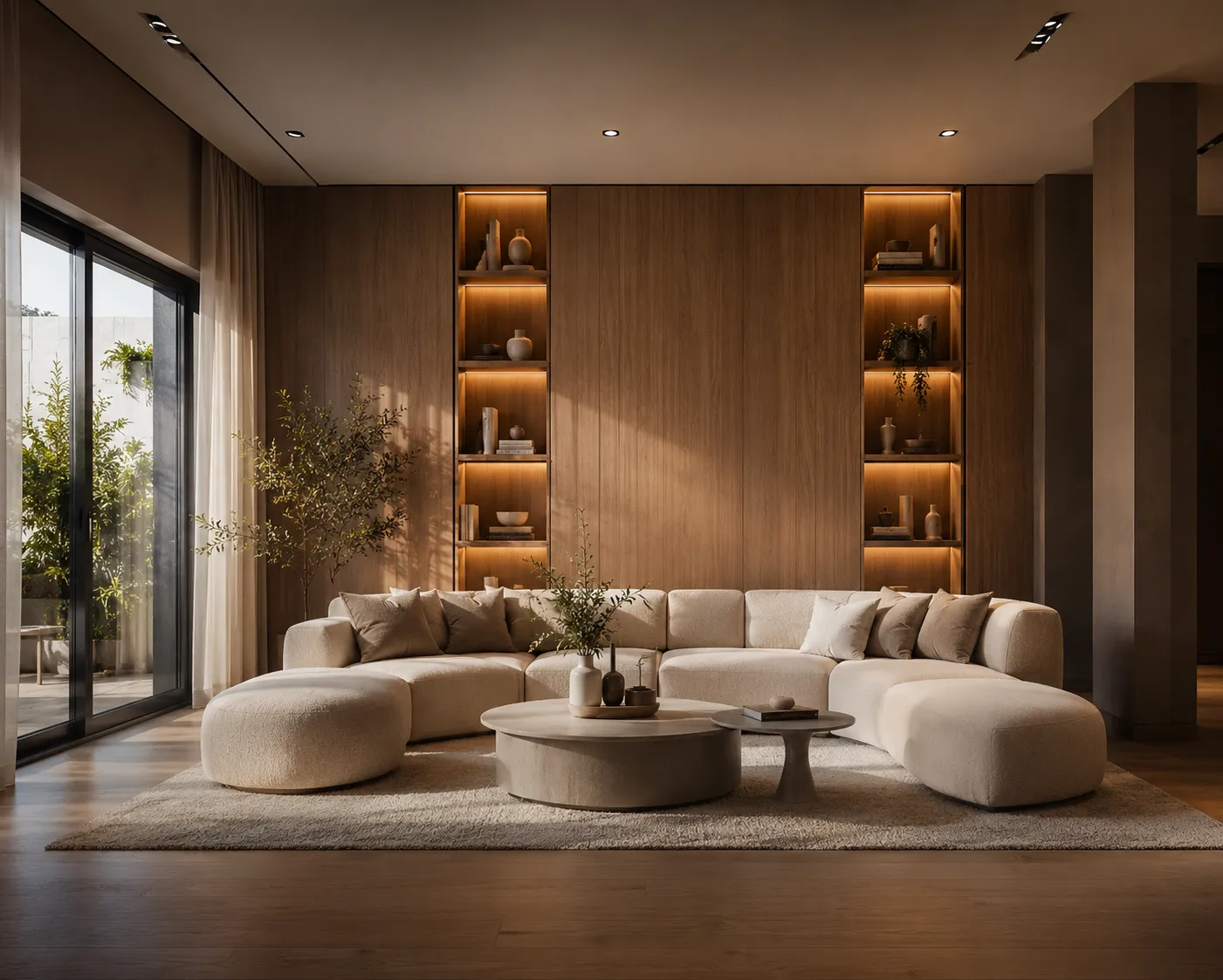
If you shoot listings, staging is the highest-margin line you are probably not selling. Agents already buy virtual staging — the only question is whether they buy it through you or around you. This is a working pricing guide for photographers adding the line.
What the market charges
Start with the ceiling, not your cost. What you can charge is capped by what the agent can buy the same thing for in ten seconds of searching, so those are the numbers your line item is compared against. Read off the vendors' own pricing pages on 10 September 2026: BoxBrownie lists US$30 per staged photo; Styldod lists US$23 per image, falling to US$16 on orders of eight or more, with 24-48 hour standard turnaround and published rush tiers of +US$6 for 24-hour and +US$12 for 12-hour delivery. Those are outsourced-service prices with a human editor and a review pass inside them.
Photographers reselling staging commonly bill somewhere between $25 and $125 per furnished room depending on market, packaging and how much of the delivery they own. That band is a norm reported across real estate photography communities rather than a published rate card, so treat it as orientation and check it against what agents in your own market are actually paying — the honest answer is that nobody can hand you your market's number. Two things stay true regardless: the agent's price is anchored to the value of the listing, not to your cost, and a meaningful part of what they are buying is that one person is accountable for the whole delivery.
What your cost looks like with AI
Outsourcing staging per photo means your margin is whatever survives between the service's rate and yours — and their queue sits inside your delivery deadline. Doing it in-house with AI inverts both. But quote yourself honestly, because the number photographers talk themselves into is the best case: one generation, first time, no revision. Here is the realistic arithmetic for one delivered, agent-approved staged room on the $29/month plan (1,000 credits, so $0.029 per credit).
| Line | Credits | At $0.029/credit |
|---|---|---|
| First generation, standard engine | 10 | $0.29 |
| Two more attempts before one is worth sending (budget for this — it is normal, not failure) | 20 | $0.58 |
| One agent revision round after delivery ("warmer, less grey") | 10 | $0.29 |
| Optional 4K enhancer pass, hero shot only | 30 | $0.87 |
| Realistic total, hero room | 70 | about $2.03 |
| Realistic total, ordinary room | 40 | about $1.16 |
Then add the line no credit counter shows: your own minutes. Call it three to five minutes a room including the look-over you owe the client. A six-room vacant listing is therefore roughly $7-12 of credits and about half an hour of your time, against a line item you are billing per room. Whether that clears at your rates is your call on your own numbers — nobody can promise you a margin, and anyone who quotes you one is selling something.
Two more credit lines to know before you build a package, because they are not rounding errors. The 4K enhancer costs 30 credits. A short cinematic clip starts at 100 credits for five seconds and 135 for ten on the default HD setting, and video sits behind the paywall — a free account cannot generate one at all, so a "video walkthrough" upsell assumes you are on a plan or have bought a pack. And 2D-to-3D is 300 credits, which is why it belongs in a premium tier rather than a standard package.
Three ways to package it
- Per-photo add-on: the familiar model — a per-room price on top of the shoot. Simple to quote, scales with vacant listings.
- Flat listing fee: "staging included up to 6 rooms" at a fixed price. Agents love predictability; your cost base makes flat pricing safe.
- Premium package tier: fold staging, decluttering and a 4K portal hero into your top package. This is where staging stops being an add-on and starts raising your average order.
The second line: item removal
Occupied listings need the opposite service — tenant clutter out, not furniture in. Inpainting handles removal from the same account, and services bill real money for exactly this. Quote it as its own line.
Delivery standards that protect you
Label staged images as virtually staged where the MLS requires it, deliver the originals alongside, and keep geometry honest — walls, windows and camera unchanged, which is what Archome's staging is built to do. One caveat you should build into your own process rather than your marketing: geometry preservation is what the model works at, not a guarantee it can make. On an ordinary empty bedroom it holds. On a mirrored wardrobe or a corner shot showing two rooms it can drift. You are the review pass that an outsourced service would have included, so compare each delivered frame against the source at full size before it leaves your machine. Your client's compliance problem is your churn problem; honesty is operationally cheaper.
The full workflow — staging, removal, 4K delivery under your own brand — is on the real estate photographers page.