
Virtual Staging for Rental Listings
· Updated · 8 min read
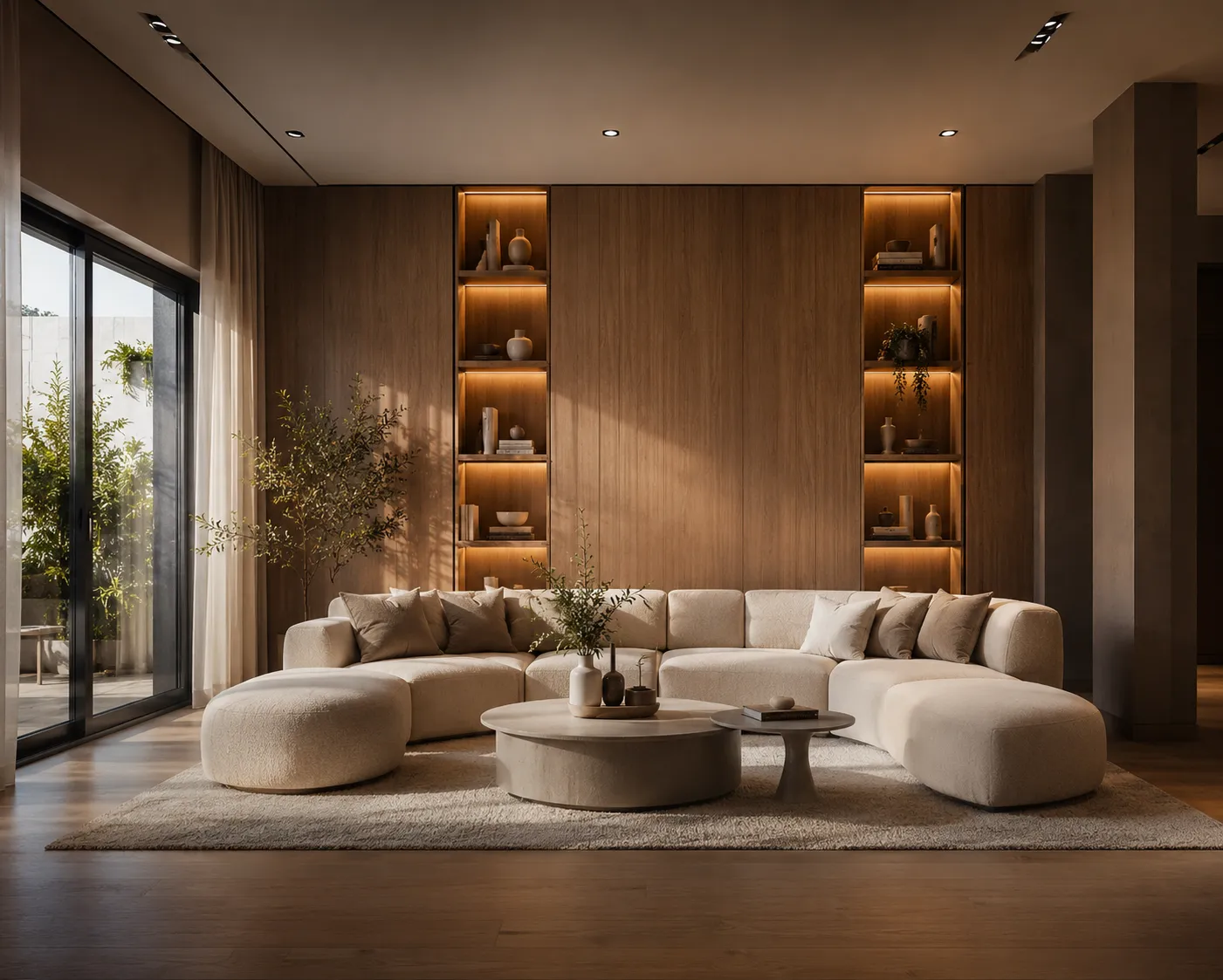
Nobody rents a void. An empty unit photographs as square footage; a furnished one photographs as a home — and that difference shows up directly in enquiry volume and days vacant. Virtual staging fixes the photograph without a single sofa being moved.
The landlord's maths
Every vacant week is lost rent, and the photo set usually stands between the listing and the viewing. Physically staging a rental is money nobody spends; leaving it empty is the default that costs quietly.
| Option | Cost | Turnaround |
|---|---|---|
| Physical staging | $500–2,000 per month, per unit | Days, plus a re-shoot |
| Human staging service | $16–60 per photo | 4–48 hours |
| Archome AI | $0.29 Fast · $0.87 Ultra | About 30 seconds |
On Archome a staged photo costs 10 credits at Fast quality and 30 at Ultra, so a one-time $15 credit pack covers a full unit set with room for revisions. A portfolio with continuous turnover runs on the $29/month plan from one account. Every new account starts with 100 credits — three renders — without a card.
The workflow, per unit
- Photograph the empty unit once — phone photos, straight-on, lights on, blinds open.
- Furnish by preset — Minimal for the studio, Japandi for the young-professional flat, Classic for the period conversion. One style per unit keeps the set coherent. About 30 seconds a room on Virtual Staging.
- Publish everywhere — the same staged set works on the portal, the agency window and the ad. When the tenant changes, the photos do not have to.
Geometry stays locked: walls, windows, radiators and floors stay exactly where they are, and only furniture and light get added. The applicant who shows up recognises the unit, which is precisely the line between staging and misleading.
Which rooms to stage in a rental
Rentals are decided on fewer photos than sales. The living room and the main bedroom carry the listing; the kitchen matters when it is the room a tenant worries about. Stage those three and stop.
The rooms not worth staging are the ones a tenant reads instantly: bathrooms, hallways, utility cupboards and balconies photograph fine empty, and furnishing them adds nothing but a suspicion that something is being dressed up. A studio is the exception — there the single room has to show that a bed, a table and a sofa genuinely fit, which is the one case where staging answers a real question about the unit.
Furnishing for the tenant you want
A rental listing is aimed at a narrower person than a sale listing. A one-bed near a business district is answering "can I work from here"; a two-bed in a school catchment is answering "where do the children go". The furniture in the photo should answer the question the applicant is actually asking — a desk by the window, or a second bed rather than an office.
Because re-running a photo costs credits rather than a new booking, testing two directions on the hero image costs about sixty seconds. Portals report enquiry counts; that is the only opinion worth having.
Occupied units: the reverse problem
Sometimes the photos exist but the outgoing tenant's clutter is in them, and the shoot cannot wait for the move-out. Object removal clears items from the photo — mask what should go, get the room back — and the cleared room can then be staged fresh. Both directions live in the same account and run on the same credit balance, so budget two renders per photo for an occupied unit.
The Airbnb rule — read this part
Short-term rentals are furnished products: the guest sleeps in the actual bed in the actual photo. Showing furniture a guest will not find is a misrepresentation complaint waiting to happen, and platform policy treats listing photos as a description of what is provided.
The honest uses for short-let hosts are different and still worth the money: planning a refurnish before buying anything, previewing setup options for a unit you have just taken on, or refreshing tired photos of what genuinely exists. Stage the plan, not the illusion.
Disclosure, briefly
Where your platform or market requires it, label images as virtually staged and keep the originals available. In the US the sale-side rules are the strict ones — see do I have to disclose virtual staging — but the principle travels: the photograph may not misrepresent the property.
Disclosure does not hurt performance. Furnished photos out-pull empty rooms even when labelled, because the image is doing its real job: helping someone see the use of the space rather than tricking them about it.
Frequently asked
Is virtual staging allowed for rental listings? For long-term lets, yes, as long as the photo is labelled and the property itself is not altered. Portals and local advertising rules vary, so check the platform you list on. For short-term rentals the answer is effectively no for anything the guest will not find in the unit, because the photos describe what is provided.
How much does it cost to stage a rental unit? Three staged rooms is 30 credits at Fast quality, which is under $1 of credits on the $29 plan and a fraction of a one-time $15 pack. Against a week of lost rent the comparison is not close.
Will the staged photo match the unit at the viewing? Yes for the structure: walls, windows, doors, radiators, ceiling height and the camera angle are held fixed, so the applicant recognises the room. The furniture is illustrative and should be described as such.
Can I remove the current tenant's furniture from the photos? Yes — clear the room with the object removal tool, then stage the cleared photo. That is two renders per image rather than one.
Should I stage a furnished rental? No. If the unit comes furnished, photograph what is there. Staging over real furniture creates exactly the mismatch that generates complaints.
How long does it take? About 30 seconds per image at Fast quality, with no queue. A three-room unit is staged before the listing text is written.
Portfolio workflow and per-unit costs are on the landlords and property managers page.
Landlords usually stage one unit at a time. The people staging dozens a month are the photographers shooting them — if you are shooting rentals for owners rather than owning them, see virtual staging for real estate photographers.