
Virtual Home Staging Services: 2026 Prices
7 min read
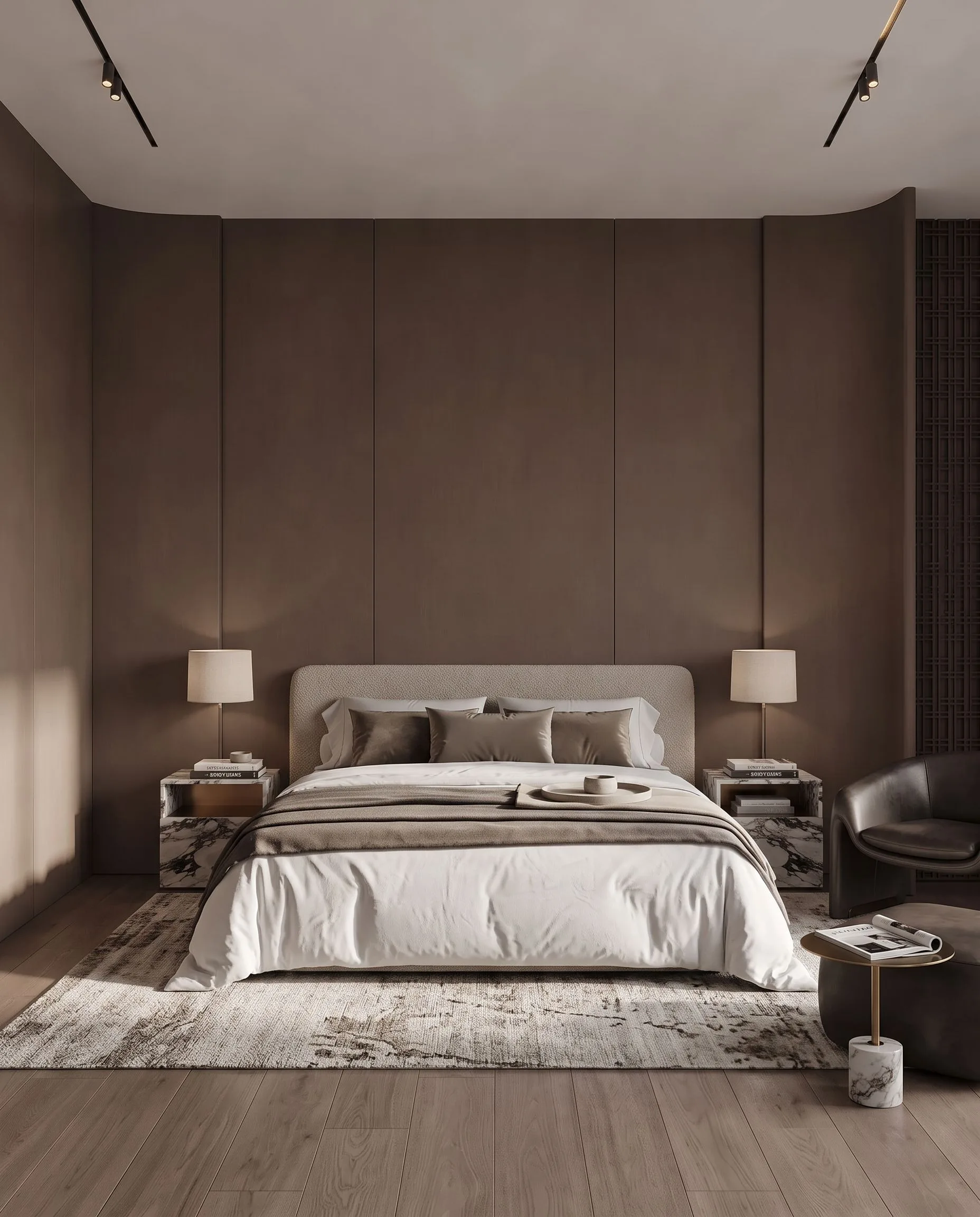
A virtual home staging service is a person, a queue and an invoice. You upload the empty-room photos, a designer somewhere furnishes them in Photoshop or a 3D tool, and 24 to 48 hours later you get the images back at $16–60 each. That is the product most agents mean when they search for “virtual staging services” — and in 2026 it is one of two ways to get the job done. The other is software that does the same edit in about 30 seconds for under a dollar. This guide puts real prices, turnaround and quality side by side so you can pick the right one for the listing in front of you.
What a virtual staging service actually does
The workflow has not changed much in a decade. You send the photos of the empty rooms, pick a style from the provider's catalogue (modern, farmhouse, coastal, and so on), and a designer places furniture, rugs, art and lighting into each shot. Most services offer one or two revision rounds, deliver MLS-ready JPEGs, and price per photo. The strong providers are genuinely good: consistent furniture scale, believable shadows, styles that match the price band of the home.
The trade-off is baked into the model. A human does every image, so every image costs human time, and every image sits in a queue behind other people's listings. Rush delivery exists at most services, usually at a premium.
What virtual staging services cost in 2026
Across the well-known US providers the per-photo price sits between $16 and $60, with most listings landing at $24–30 per image. Bulk packs and subscriptions shave that a little; rush turnaround and complex rooms add to it. A typical listing needs six to ten staged photos, so the realistic budget is:
| Listing size | Staging service (human, $24–30/photo) | Archome AI (from $0.29/photo) |
|---|---|---|
| 4 photos (condo, one vacant floor) | $96–120 | $1.16–3.48 |
| 8 photos (typical vacant home) | $192–240 | $2.32–6.96 |
| 15 photos (large or luxury listing) | $360–450 | $4.35–13.05 |
| 25 listings a year, 8 photos each | $4,800–6,000 | $58–174 (or a $29/month plan) |
The software figures come from the Archome AI staging tool: on the $29 plan an interior render costs 10 credits at Fast quality, which works out to about $0.29 an image, or about $0.87 at Ultra quality. The service figures are current published rates; see how much virtual staging costs for the per-provider breakdown, and the cost-per-photo comparison for the maths behind a full year of listings.
Turnaround: the 24–48 hour problem
Price is the number people compare, but turnaround is the one that changes how you work. With a service, the photos go out on Monday and the staged set comes back Wednesday. If the seller wants the sofa in a different colour, that is another revision round and another day. Listings that were supposed to go live on Tuesday go live on Thursday.
Software removes the queue entirely. Upload the photo, choose a style, and the furnished image is back in about 30 seconds. Do not like the layout? Run it again; it costs the same 10 credits and another half minute. The practical effect for a busy agent is that staging stops being a scheduling task and becomes something you do while the coffee is brewing.
Service vs software: the honest comparison
| Virtual staging service | AI staging software | |
|---|---|---|
| Cost per photo | $16–60, typically $24–30 | $0.29–0.87 on a $29 plan |
| Turnaround | 24–48 hours; rush at a premium | About 30 seconds |
| Revisions | 1–2 rounds included, each adds a day | Unlimited re-runs at the same per-image cost |
| Who does the work | A designer picks and places every item | You choose a style; the model furnishes the room |
| Quality ceiling | Very high on the best providers; consistent | Photorealistic on empty rooms; occasional re-run needed |
| Best for | Luxury listings, brand-specific styling, zero time to review | Volume, speed, rentals, revisions, tight budgets |
| Commercial licence | Included | Included on paid plans |
When a staging service is the right call
- High-end listings where the styling is the pitch. A $3 million home with a specific design language deserves a designer who will source the right pieces and match them across every room.
- Brand-locked marketing. Some brokerages want every listing photo to look like it came from the same catalogue. A service with a fixed furniture library delivers that consistency.
- You do not want to look at the output. If your workflow is “send photos, receive finished images,” a service handles the judgement calls so you never have to.
When software beats a service
- Volume. Property managers, landlords and teams that list every week cannot pay $200 a listing to furnish photos. At software prices the whole portfolio gets staged. (See staging for landlords.)
- Speed. Same-day listings, last-minute price drops, a seller who changes their mind about the style at 9pm.
- Iteration. Three styles of the same living room for the seller to choose from costs three runs, not three invoices.
- Rentals and mid-market homes. The buyer needs to see scale and purpose, not a designer's signature. A believable sofa and a rug do the job.
Most agents end up with a hybrid: software for the bulk of the work and a service for the handful of listings each year where the styling itself sells the house. If you are moving from a provider like BoxBrownie, the BoxBrownie alternative comparison walks through what changes and what does not.
A worked example: 25 listings a year
An agent closing 25 listings a year, staging 8 photos each, uploads 200 images. At a service's $24–30 per photo that is $4,800–6,000, plus two days of waiting per listing. With software at $0.29 an image it is $58 — and at that point the $29 monthly plan with 1,000 credits covers 100 Fast renders a month, more than the whole year's staging in two months. The rendering cost calculator lets you plug in your own listing count and photo mix.
How to choose: a five-question checklist
- How many photos a month? Under 10, either works. Over 30, software or the budget disappears.
- How fast do listings go live? If the answer is “same day,” a 48-hour queue is a problem.
- Who signs off the images? If a designer must, use a service. If you do, software gives you the re-run button.
- What price band? Luxury benefits from a human eye; mid-market and rentals do not need one.
- Do you need item removal too? Both can do it; software does it in the same 30-second pass.
Disclosure: the rule that applies to both
Whether a designer or a model furnished the photo, it is virtually staged and the listing should say so. Label the image (“virtually staged”), keep the original unstaged photo available, and never alter the structure of the home — walls, windows, flooring and fixtures stay as they are. MLS rules vary by market, so check yours; the disclosure FAQ covers the common requirements. Software does not change the obligation; it just makes the staged version cheap enough to produce for every listing.
Try it on a listing photo
The fastest way to decide is to run one of your own empty-room photos through the virtual staging tool — 100 free credits cover the first ten renders, no card required. If the result would go straight into your listing, you have your answer. If it needs a designer's hand, you still have the service option, and you have lost thirty seconds finding out. The real estate agents page covers the full workflow, from empty room to MLS upload.
FAQ
How much do virtual home staging services charge per photo? Published 2026 rates from the well-known US providers range from $16 to $60 per photo, with most listings landing at $24–30 per image. Rush delivery and complex rooms cost more; bulk packs cost a little less.
How long does a virtual staging service take? Standard turnaround is 24 to 48 hours per batch, and each revision round typically adds another day. Rush options of a few hours exist at most services for an added fee.
Is AI virtual staging good enough for MLS listings? For empty rooms, yes: modern models place furniture at the right scale with believable shadows and lighting, and the output is MLS-ready. Occasionally a run needs to be repeated; at $0.29 an image that is the normal workflow rather than a cost.
Can software do item removal and decluttering as well as staging? Yes. Decluttering, removing existing furniture and restyling a room happen in the same pass as staging, at the same per-image price.
Do I still have to disclose virtual staging if I use software? Yes. The disclosure obligation attaches to the image being virtually staged, not to who or what did the staging. Label the photo, keep the original, and do not alter the structure of the property.
What does Archome AI cost compared with a staging service? On the $29 monthly plan an interior render costs 10 credits at Fast quality (about $0.29) or 30 credits at Ultra (about $0.87), with a commercial licence for MLS and portal use. A staging service charges roughly 30 to 100 times that per photo, and the first 100 credits at Archome AI are free.