
Vacant Home Staging: Physical vs Virtual (2026)
8 min read
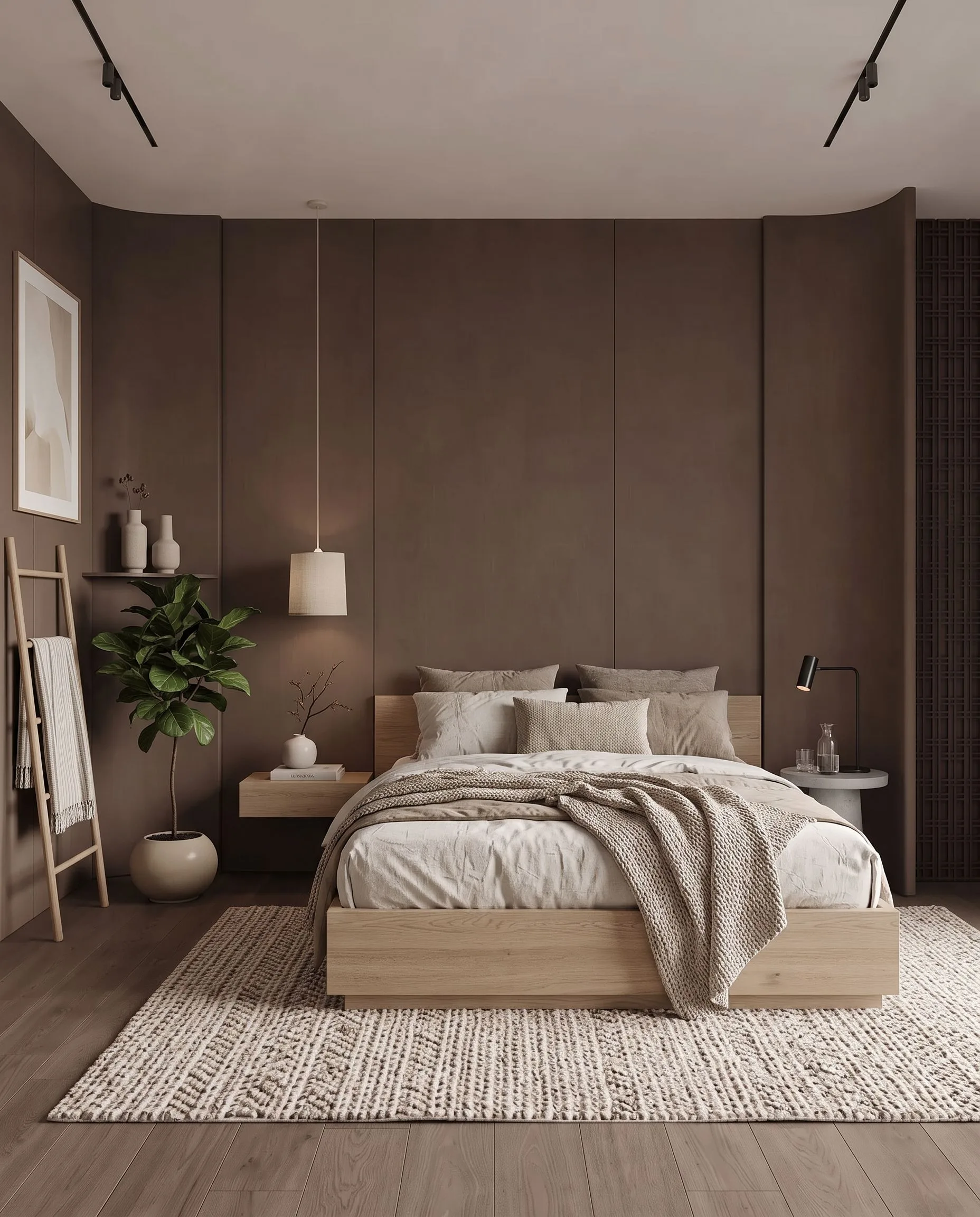
A vacant home photographs smaller, colder and cheaper than it is. Buyers cannot judge where a bed fits or whether the dining nook takes a table for six, and the listing photos, the first showing most buyers ever attend, carry none of the warmth that sells. Staging fixes that, and in 2026 there are two ways to do it: bring furniture into the house, or add it to the photographs. This guide puts real numbers on both, explains where each one earns its cost, and shows how most agents now combine them.
What each approach actually delivers
Physical staging places rented furniture, rugs, art and accessories in the home for the duration of the listing. Every buyer who walks through experiences the staged rooms, the photos show real furniture in the real light, and video tours and open houses benefit as well.
Virtual staging adds furniture to the listing photographs only. The home stays empty. Online, where buyers decide which homes to visit, the listing looks furnished; at the showing, the rooms are vacant and the buyer brings the memory of the staged photo with them.
Both are legitimate, and both are widely used. The difference is where the staging is experienced, online or in person, and that difference drives the cost gap.
What it costs in 2026
Physical staging is priced per month and scales with the size of the home and the number of rooms furnished. For a typical vacant home in the US, quotes for the first month commonly land between $1,500 and $4,000, often with a design fee plus monthly furniture rental, and the meter keeps running until the house closes. A listing that sits for three months can cost two to three times the initial quote. Larger or luxury homes run well above that range.
Virtual staging is priced per photo. Human staging services charge roughly $24 to $30 per image with a 24 to 48 hour turnaround; AI staging on Archome AI runs from $0.29 per image and takes about thirty seconds. A full listing of eight photos is therefore in the hundreds of dollars with a service, or under five dollars with AI. Our virtual staging cost guide has the per-provider breakdown.
| Typical 3-bed vacant home | Physical staging | Virtual staging (service) | Virtual staging (AI) |
|---|---|---|---|
| First month | $1,500–4,000 | $190–240 for 8 photos | $2–5 for 8 photos |
| Each additional month | Rental continues, often $400–1,000+ | $0 | $0 |
| Time to live | 3–10 days to install | 24–48 hours | Minutes |
| Experienced at the showing | Yes | No (home is empty) | No (home is empty) |
| Change the style later | Costly | New order per photo | Re-render in seconds |
Does staging change the sale price?
Agents have believed for decades that staged homes sell faster and for more, and the National Association of REALTORS® staging surveys back the first half firmly: roughly four in five buyers' agents say staging makes it easier for buyers to visualize a property as their future home, and a majority report that it shortens time on market. The effect on price is real but smaller and less consistent than the marketing suggests, typically reported in the low single digits for homes where staging made a visible difference.
For the cost decision that means two things. First, the biggest return from staging comes online, at the moment a buyer decides whether to book a showing, and that is exactly the moment virtual staging serves. Second, if a home is likely to sell quickly or sits in a price band where a one-month staging bill is a rounding error, physical staging is easy to justify. Where it is not, virtual staging captures most of the online benefit for a fraction of the cost.
When physical staging is worth the money
- Luxury and move-up homes, where buyers expect a finished experience and a $3,000 bill is small against the price.
- Awkward layouts that need the buyer to physically understand how a room works.
- Heavy showing traffic and open-house strategies, where the in-person impression does the selling.
- Homes with tired finishes, where furniture, lighting and textiles genuinely distract from what cannot be fixed before listing.
When virtual staging is the right call
- Mid-market and entry-level listings, where a month of furniture rental would eat a meaningful share of the commission.
- Investor and flip inventory, where several vacant homes list at once and the carry cost is already the problem. See our guide for house flippers.
- Rentals, where the listing turns over repeatedly and nobody stages a unit for a 12-month lease.
- Remote or rural listings, where staging companies either do not deliver or charge for the drive.
- Testing styles: show the same living room as modern, farmhouse and coastal, and let the photos tell you which one buyers click.
Whatever you choose, disclose it. Virtually staged images must be labelled and the untouched original kept on file; the rules are in our guide to virtual staging disclosure.
The hybrid most agents now use
The common 2026 pattern is not either-or. Agents stage virtually first, launch the listing within a day, and watch the response. If showings are strong, the empty home sells on the strength of the photos. If the home stalls, or the feedback says buyers cannot picture the space in person, they bring in physical staging for the rooms that matter, usually the living room, primary bedroom and kitchen or dining area, and leave the rest.
A second hybrid is partial physical staging plus virtual staging of the remaining rooms, which cuts the rental bill while keeping a furnished first impression at the door. Either way, the virtual images do the online work and the physical furniture is spent only where a buyer will stand in the room.
A quick decision checklist
- Price band: below the local median, start virtual; luxury, consider physical from day one.
- Expected days on market: a fast market favours virtual; a slow one makes the monthly rental bite.
- Who sees it in person: many showings and open houses favour physical staging of the key rooms.
- Condition: if the finishes need help, physical furniture hides more; if the shell is clean, virtual is enough.
- Carry cost: every month vacant costs mortgage, utilities and insurance; the faster launch of virtual staging has its own value.
For the virtual half, the workflow is the same as any vacant listing: shoot level, well-lit photos of each empty room, run them through the virtual staging tool in a style that fits the neighbourhood, label the images, and publish. If the home is occupied rather than vacant, read our guide to virtual furniture removal first. The full listing workflow for agents is on our real estate page.
Frequently asked questions
How much does it cost to stage a vacant house? Physical staging for a typical US home is commonly quoted at $1,500 to $4,000 for the first month, with monthly rental after that. Virtual staging costs $24 to $30 per photo with a human service, or from $0.29 per photo with AI.
Is virtual staging as effective as physical staging? Online, where buyers decide which homes to visit, it delivers most of the same benefit. At the showing the home is still empty, so for buyers who need to feel the space in person, physical staging of the key rooms still wins.
Do I have to tell buyers a photo is virtually staged? Yes. MLS rules and the portals require virtually staged images to be labelled, and you should keep the original photo on file. Never alter permanent features or hide defects.
Can I combine physical and virtual staging? Yes, and it is the most common approach: virtual staging for the launch and for secondary rooms, physical furniture only in the rooms buyers linger in.
How long does physical staging take to set up? Typically three to ten days from consultation to installation, depending on the stager's inventory and schedule. Virtual staging is live in minutes to two days.
Does staging increase the sale price? Industry surveys consistently show staging helps buyers visualize the home and can shorten time on market; the price effect is real but modest, usually in the low single-digit percent range for homes where staging made a visible difference.